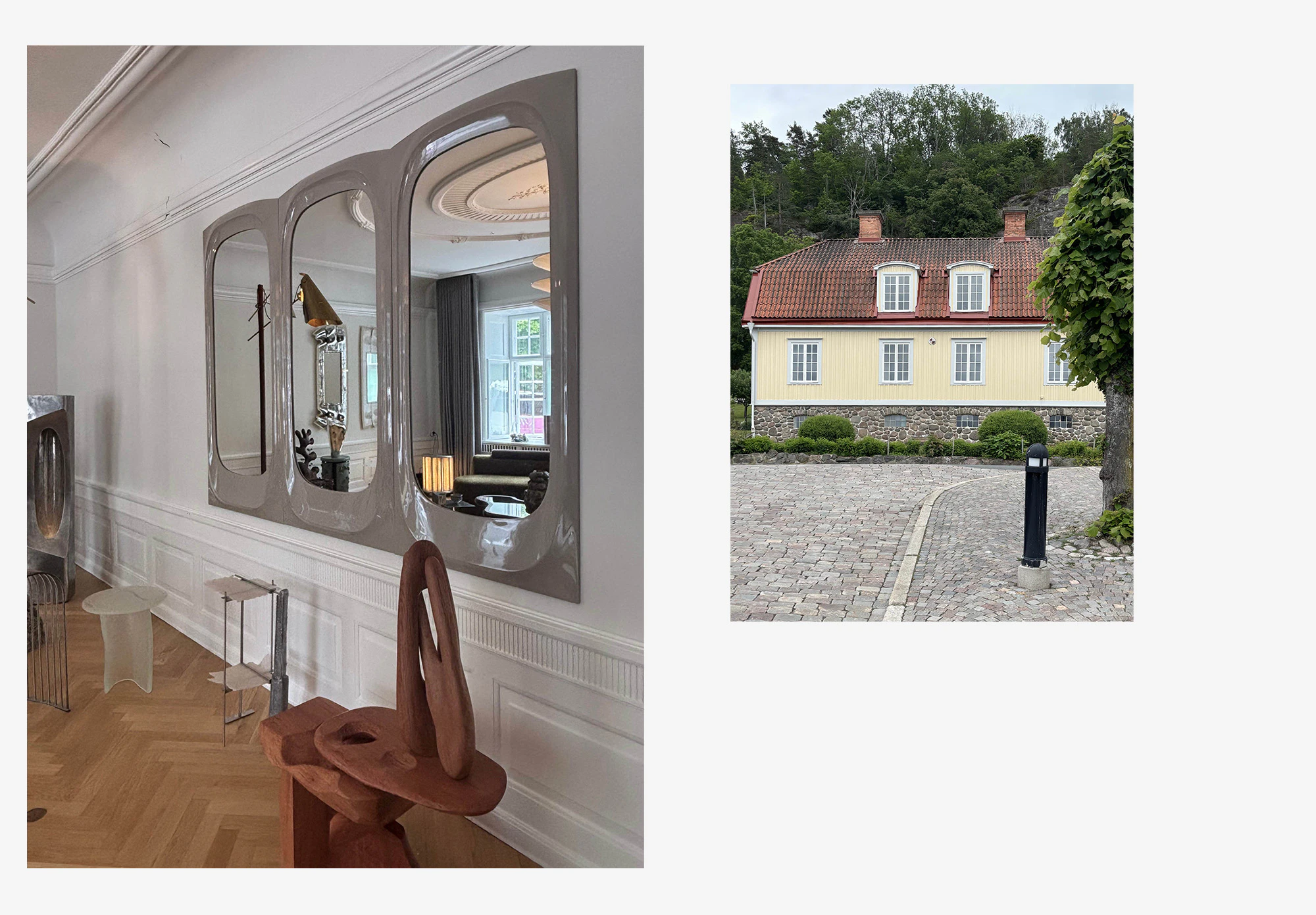
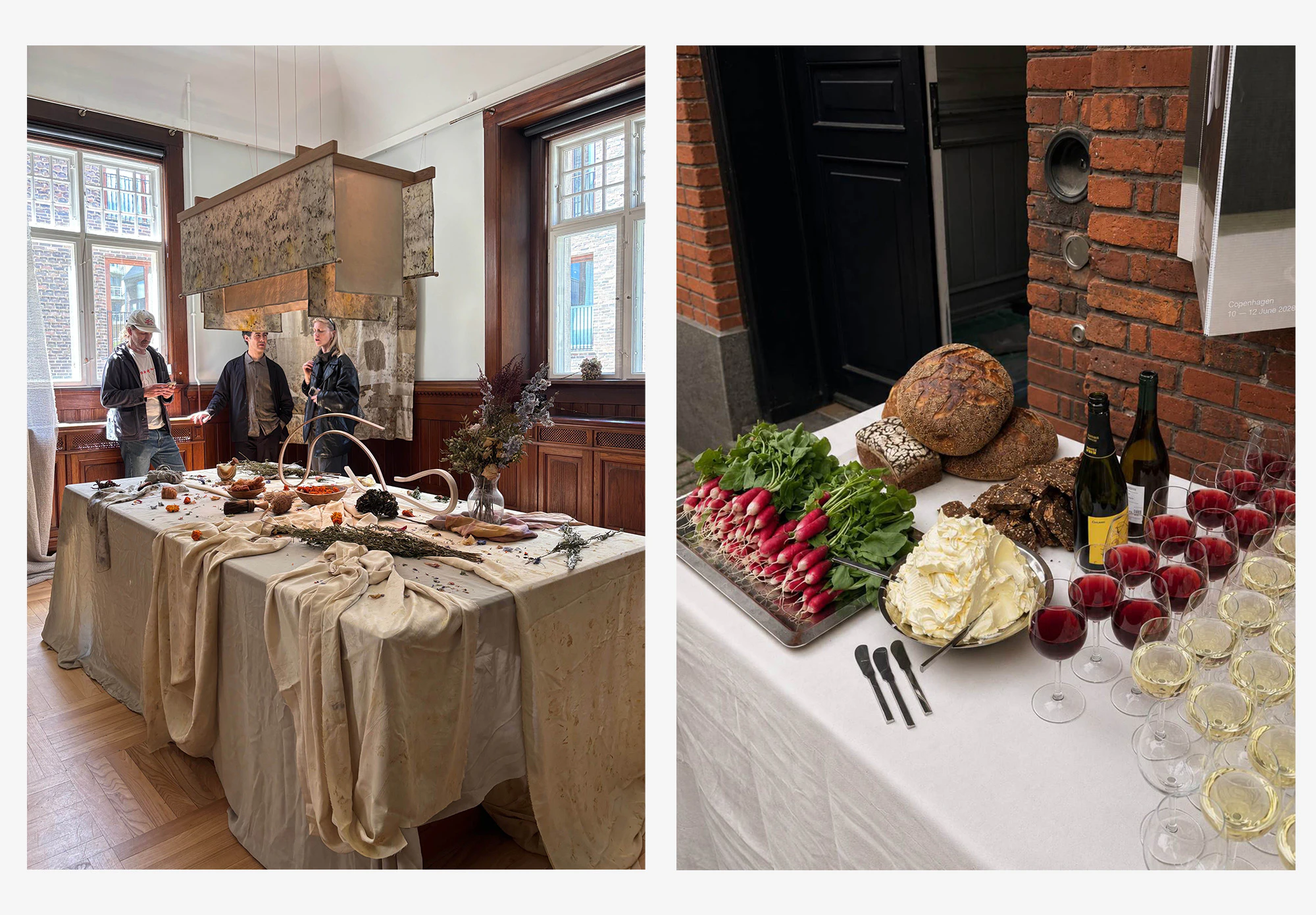
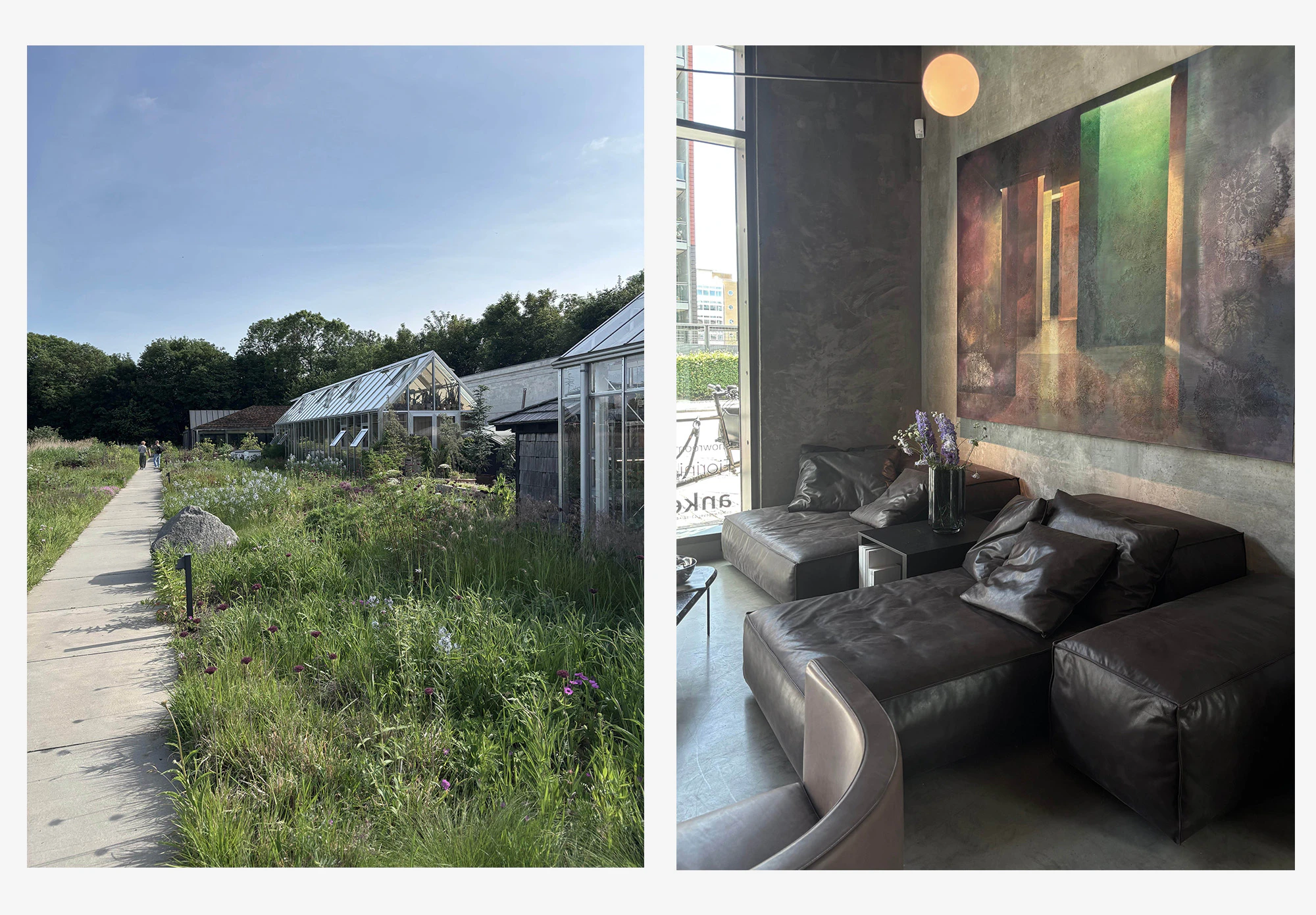
I’d heard people describe Copenhagen as the design capital of the world. After spending a week there, I realised they weren’t really talking about furniture. They were talking about a culture. Because what struck me wasn’t simply the quality of the design, it was how deeply design is woven into everyday life.
From the moment you arrive, Copenhagen feels alive. Long summer evenings spill into streets lined with cafés and wine bars. People cycle home from work impeccably dressed. Friends gather outside with a beer or a glass of wine. Restaurants hum without feeling hurried. There is an unmistakable sense that people genuinely enjoy being where they are. The city feels calm without ever feeling quiet.
As designers, we’re trained to observe spaces. What I found myself observing most, however, was people. Everyone seemed incredibly considered, not in an extravagant way, but in a quietly confident one. Their clothing, homes, cafés and workplaces all shared the same sense of restraint. Nothing shouted for attention, yet everything felt intentional. Sophistication didn’t feel like something people were trying to achieve. It simply seemed normal.
One conversation with a local stayed with me long after I left. She explained that growing up in Copenhagen, good design wasn’t a luxury or a hobby. It was simply part of everyday life. Locally designed furniture filled family homes. Danish brands weren’t admired because they were fashionable; they were admired because they represented generations of craftsmanship. She told me it’s common to receive a piece of Scandinavian furniture for your 21st birthday. Imagine that. A chair. A table. Something designed to live with you for decades. It says a great deal about what a culture values.
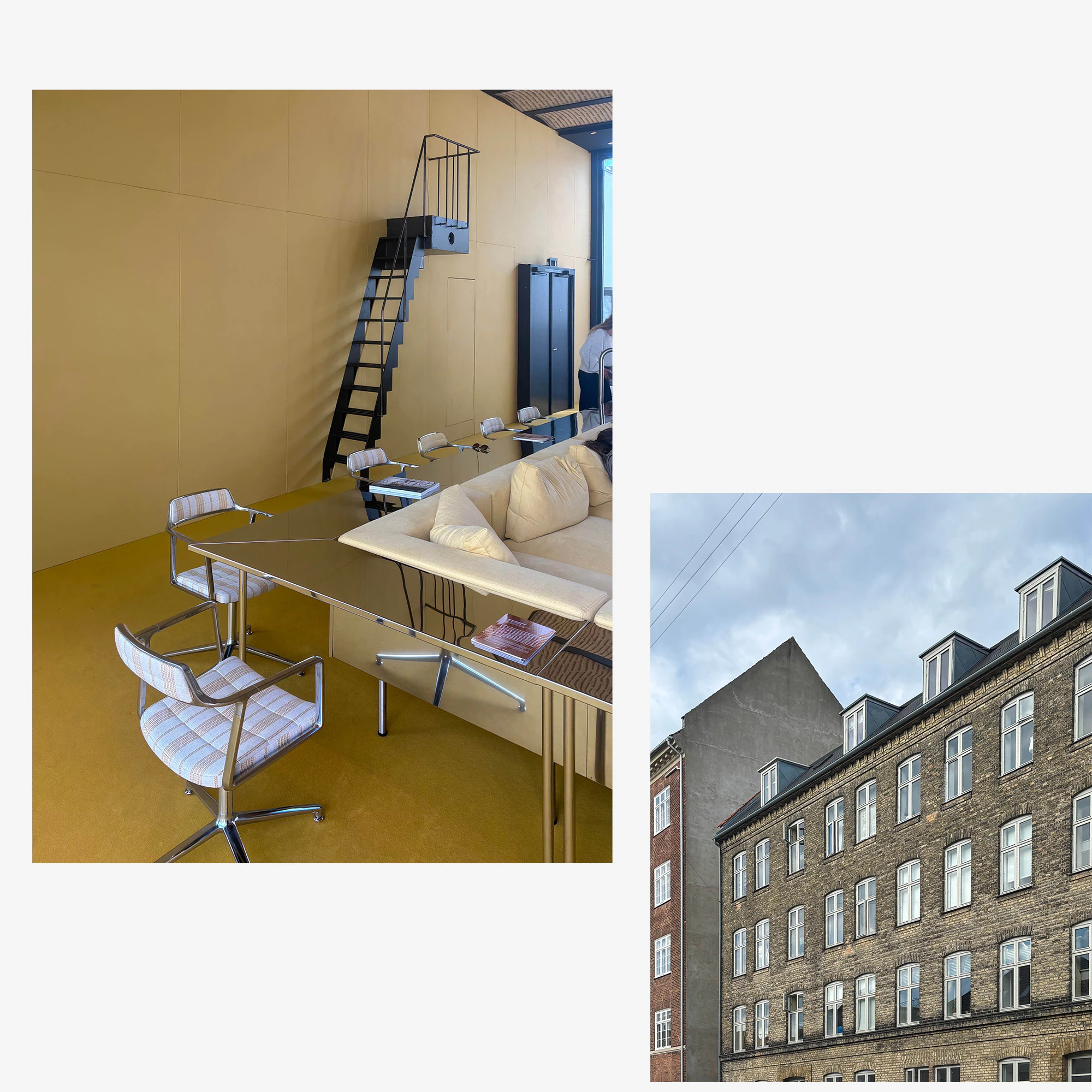
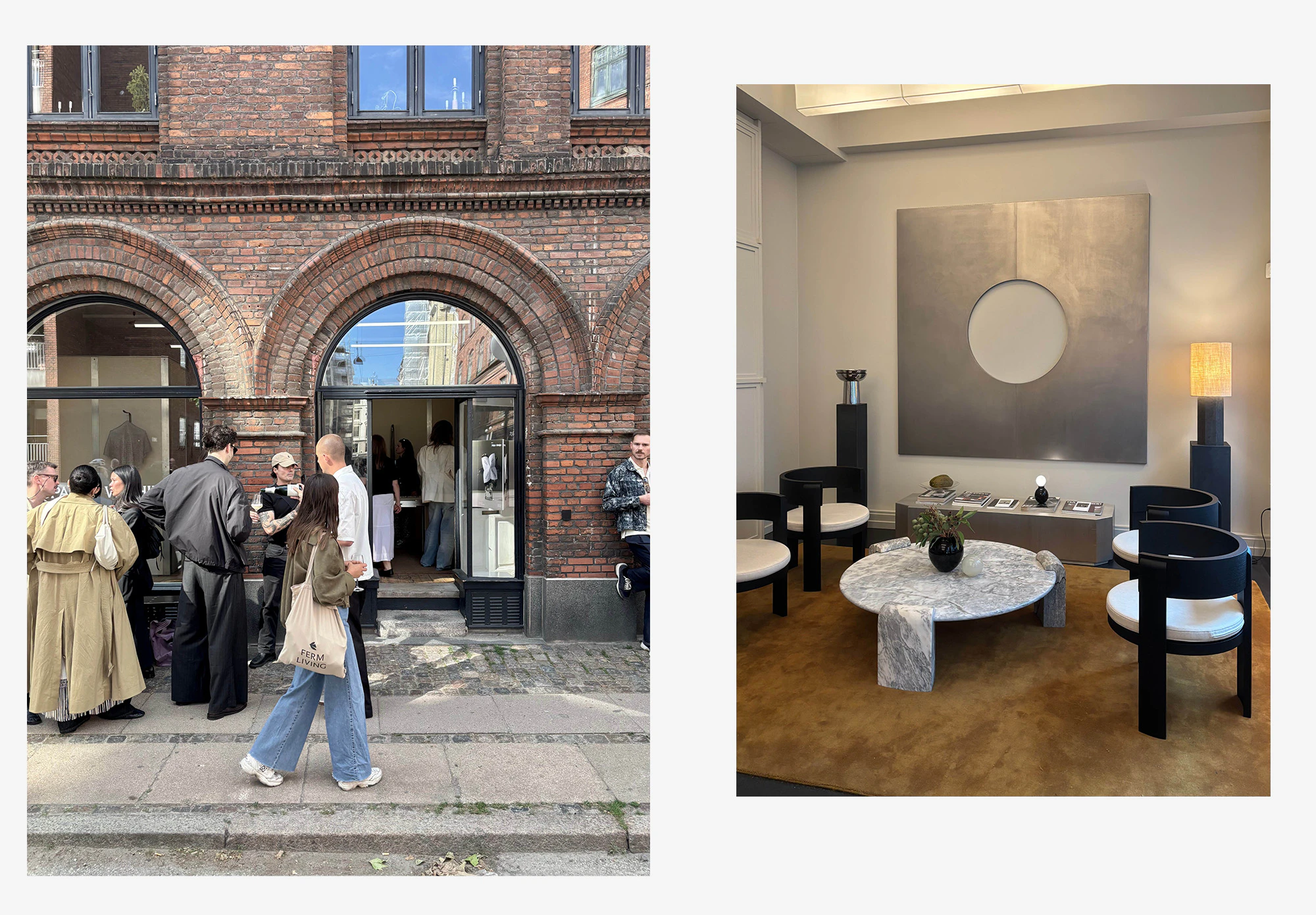
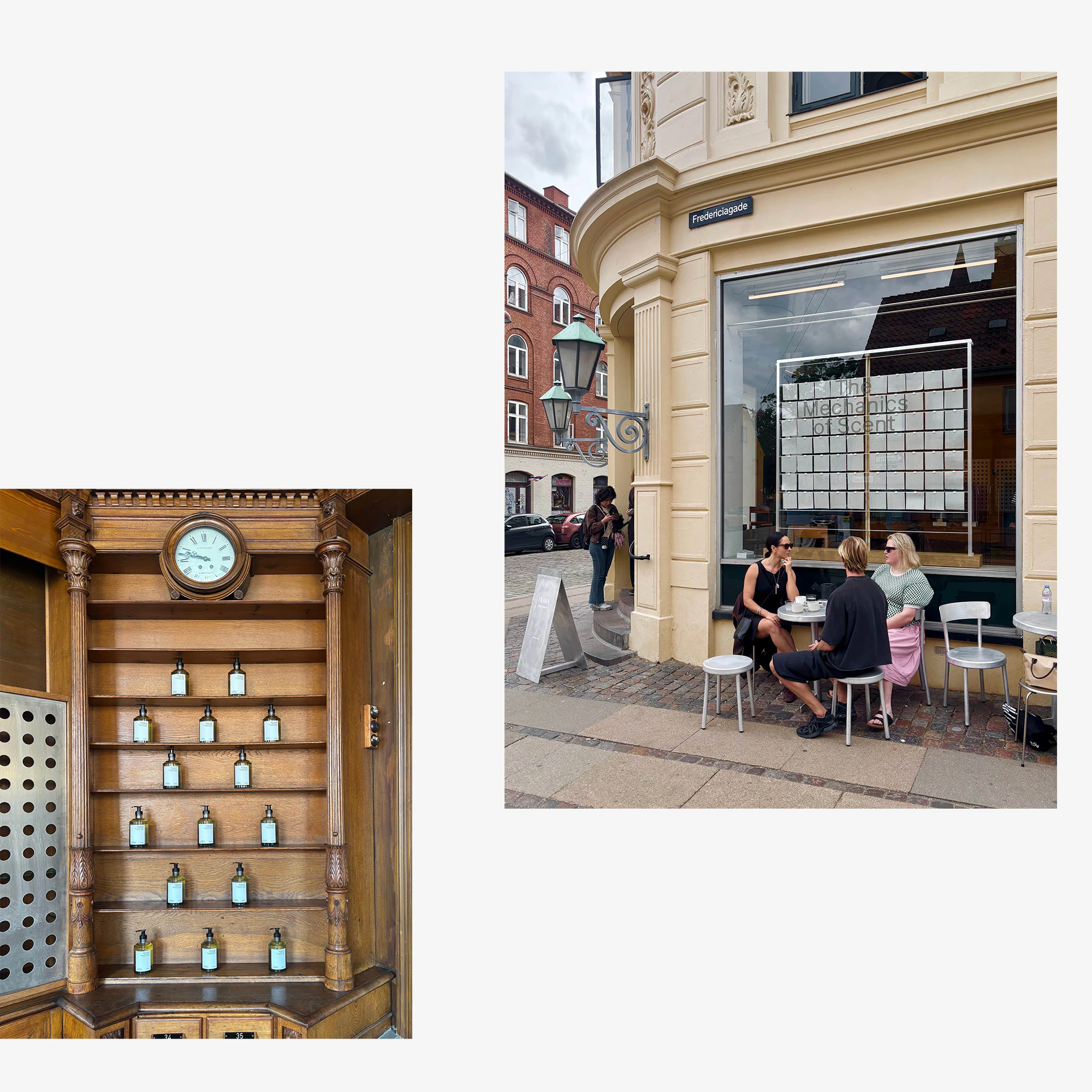
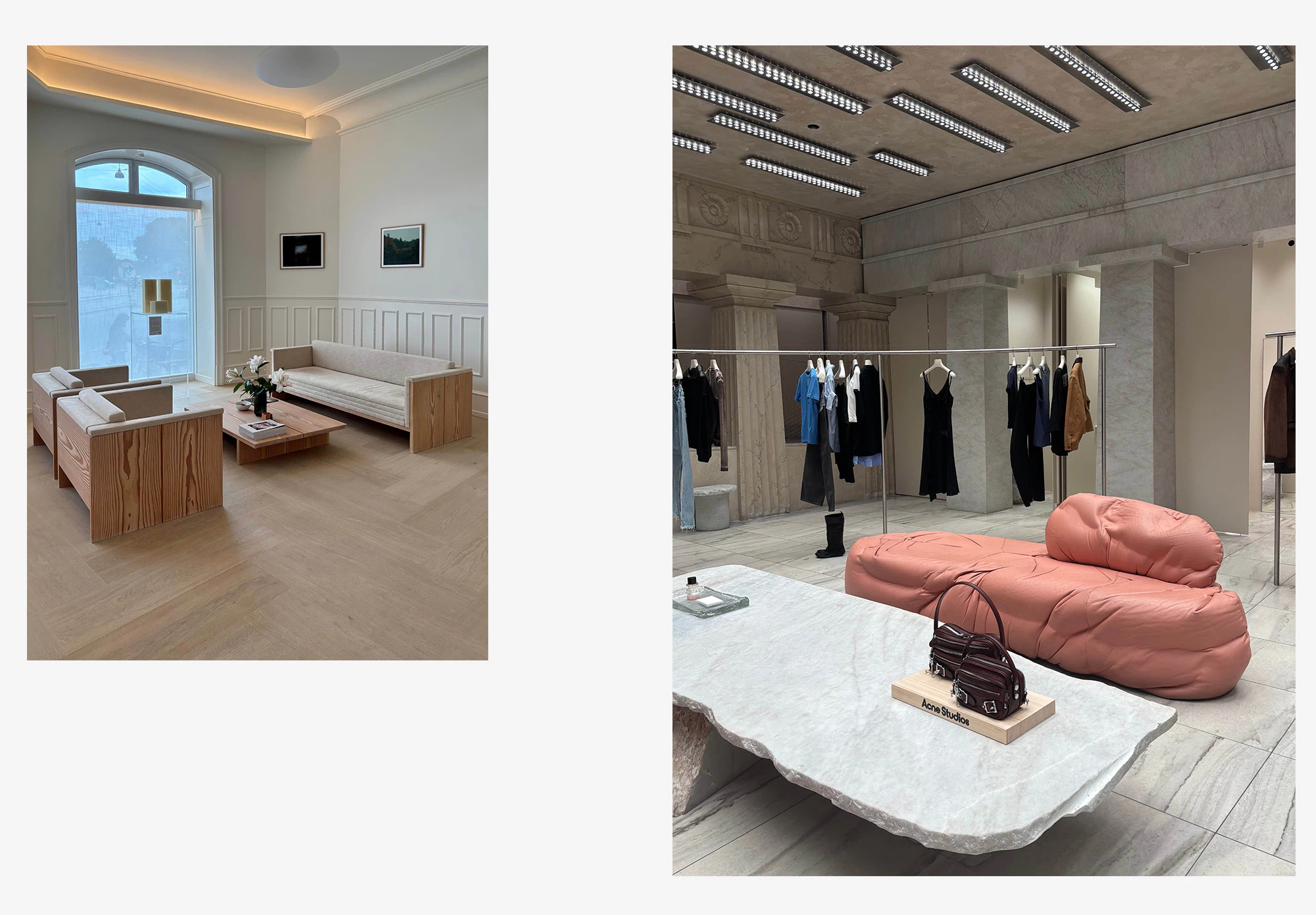
Walking through Copenhagen, you quickly realise the city shares the same philosophy. Historic buildings are restored rather than demolished. Old brick warehouses become galleries, restaurants and hotels. Contemporary architecture slips quietly between centuries-old facades without trying to overpower them. There is an enormous respect for what already exists. Rather than replacing history, they build upon it. It’s a lesson many cities, including our own, could embrace more readily.
Of course, the furniture was exceptional. The craftsmanship was extraordinary, but what impressed me more was the collective attitude behind it. There was a remarkable confidence in simplicity. Products weren’t designed to be louder or more complicated than the next. They relied on proportion, materiality and restraint. Timber, brushed steel, leather and natural textiles appeared again and again, but always used honestly, allowing craftsmanship to do the talking rather than decoration. The result wasn’t minimalism for its own sake. It was calm.
That same philosophy extended into hospitality. The best restaurants didn’t feel like commercial venues. They felt like generous dining rooms. Warm lighting. Honest materials. Staff who welcomed you as though you’d been there before. The food was outstanding, and expensive. Often double what we’d expect to pay in New Zealand. Yet nowhere did it feel like quality had been compromised to chase a lower price. Even the most casual bakery or takeaway displayed an extraordinary level of care. It reinforced something I’d been noticing all week. Copenhagen doesn’t appear interested in finding the cheapest solution. It is interested in finding the right one.
The hotels reflected this perfectly. Many occupied beautifully restored heritage buildings, balancing cool stone, warm timber, tactile fabrics and soft lighting to create interiors that felt deeply restorative. Perhaps it’s a response to the long Scandinavian winters. Homes and hotels aren’t simply places to sleep, they’re places to retreat. Luxury wasn’t expressed through excess, but through atmosphere. Everything unnecessary had been removed. Everything important remained.
As Creative Director at CTRL Space, I spend much of my time thinking about how environments influence the way people feel. Travelling to Copenhagen reinforced something I’ve believed for a long time. Great design isn’t about creating beautiful objects. It’s about creating better experiences. Whether it’s a hotel lobby, a neighbourhood café, a workplace or a chair, the ambition should always be the same, to make everyday life feel just a little richer.
New Zealand already shares many of the values that make Scandinavian design so admired. We value craftsmanship. We produce remarkable food. We have an extraordinary natural landscape. Our designers continue to punch well above their weight internationally. What perhaps differs is our collective relationship with design itself. In Copenhagen, design isn’t treated as an indulgence. It’s considered part of living well.
Perhaps that’s the biggest lesson I brought home. Not that we should design more like Scandinavians. But that we might benefit from valuing good design, not as something reserved for galleries or design weeks, but as something capable of quietly improving everyday life.